

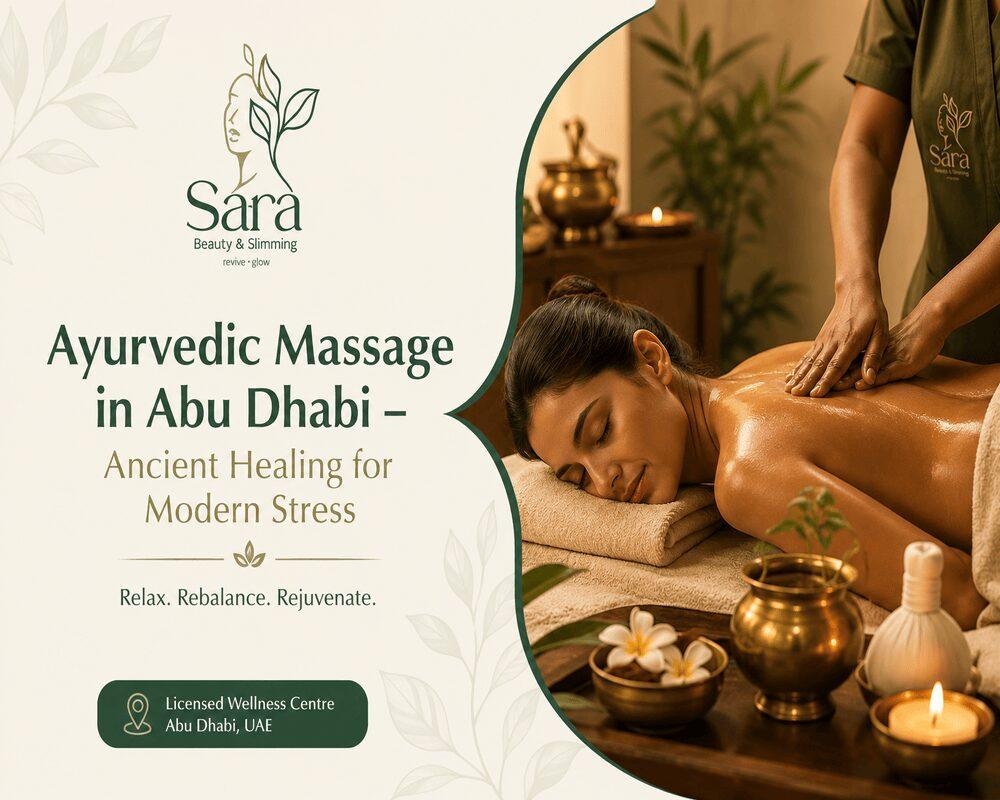
One wellness therapy that has gained increasing attention for its holistic approach is Ayurvedic Massage. Unlike a conventional relaxation massage, Ayurvedic massage combines warm herbal oils, traditional therapeutic techniques, and personalised treatment plans that have been practised for over 5,000 years.
Whether you are looking to reduce stress, improve sleep quality, relieve muscle stiffness, support circulation, or simply enjoy a deeply relaxing experience, Ayurvedic massage offers a natural wellness approach that treats both the body and mind.
In this comprehensive guide, you'll learn:
- What Ayurvedic massage actually is
- How it works
- The different types of Ayurvedic treatments
- Health benefits supported by research
- What happens during your first appointment
- Average prices in Abu Dhabi
- How to choose a qualified therapist
- Frequently asked questions
- Safety information before booking
Quick Answer
Ayurvedic massage in Abu Dhabi is a traditional Indian therapeutic treatment that uses warm herbal oils and customised massage techniques to help reduce stress, ease muscle tension, improve circulation, support better sleep, and promote overall wellbeing. Sessions typically last between 60–90 minutes, with prices generally ranging from AED 250 to AED 450, depending on the treatment type and therapist experience.
What Is Ayurvedic Massage?
Ayurvedic massage, also known as Abhyanga, is one of the core therapeutic practices of Ayurveda, the traditional medical system of India that has been practised for more than five millennia.
Rather than focusing only on muscles, Ayurvedic massage aims to restore balance throughout the body by combining:
- Warm herbal oils
- Rhythmic therapeutic massage techniques
- Energy point stimulation (Marma Therapy)
- Personalised oil selection
- Individual body constitution assessment (Dosha Analysis)
Every treatment is designed according to your unique body type rather than using the same routine for every client. This personalised approach is one of the main reasons Ayurvedic massage differs significantly from standard Swedish, Deep Tissue, or Aromatherapy massage.
How Ayurveda Works
According to Ayurvedic principles, every individual has a unique combination of three biological energies known as Doshas. These doshas influence physical health, emotional wellbeing, digestion, sleep patterns, energy levels, and stress responses.
| Dosha | Associated Elements | When Imbalanced | Recommended Oils |
|---|---|---|---|
| Vata | Air & Space | Anxiety, poor sleep, dry skin, fatigue | Warm Sesame Oil |
| Pitta | Fire & Water | Stress, irritability, inflammation, overheating | Coconut & Brahmi Oil |
| Kapha | Earth & Water | Low energy, sluggishness, fluid retention | Mustard or Herbal Oils |
An experienced therapist evaluates these factors before recommending the most suitable massage technique, herbal oils, pressure level, and treatment duration.
Why More Women in Abu Dhabi Are Choosing Ayurvedic Massage
Over the past few years, Ayurvedic massage has become increasingly popular across Abu Dhabi as more women look for natural ways to manage modern lifestyle challenges.
Many professionals working in areas such as Al Maryah Island, Al Reem Island, Saadiyat Island, Yas Island, Khalifa City, and the Corniche experience:
- Long hours sitting at a desk
- Neck and shoulder tension
- Lower back discomfort
- Sleep disturbances
- Mental fatigue
- High workplace stress
- Poor work-life balance
Unlike treatments that focus only on temporary relaxation, Ayurvedic massage aims to support long-term wellbeing by addressing physical tension, mental stress, circulation, and nervous system balance together.
Good to Know
Authentic Ayurvedic massage should always begin with a short health consultation. If a therapist immediately starts the massage without asking about your health history, stress levels, or treatment goals, the session may not follow traditional Ayurvedic practice.
Why You Can Trust This Guide
This guide has been prepared using recognised Ayurvedic principles, published clinical research, industry best practices, and practical experience reviewing wellness services available across Abu Dhabi.
Our editorial approach prioritises:
- Evidence-based wellness information
- Current industry standards
- Patient safety
- Licensed therapy recommendations
- Transparent pricing guidance
- Educational content reviewed for accuracy
This content is intended for educational purposes and should not replace personalised medical advice from a qualified healthcare professional.
Evidence-Based Benefits of Ayurvedic Massage
Ayurvedic massage is more than a relaxing spa treatment. When performed by a trained therapist using appropriate herbal oils and traditional techniques, it may support physical comfort, mental wellbeing, circulation, and recovery from everyday stress.
While individual results vary, several clinical studies suggest that regular Ayurvedic massage may help reduce perceived stress, improve sleep quality, support healthy circulation, and promote overall relaxation. The experience is most effective when combined with healthy lifestyle habits, adequate hydration, and regular exercise.
| Potential Benefit | How Ayurvedic Massage May Help | Recommended Treatment |
|---|---|---|
| Stress Management | Supports relaxation by calming the nervous system. | Abhyanga, Shirodhara |
| Better Sleep | May improve relaxation before bedtime and reduce mental fatigue. | Shirodhara |
| Muscle Relaxation | Helps reduce everyday muscle tightness and stiffness. | Abhyanga, Kizhi |
| Improved Circulation | Rhythmic massage techniques encourage healthy blood flow. | Full Body Abhyanga |
| Skin Hydration | Warm herbal oils help nourish dry skin. | Oil Massage |
| Joint Comfort | May help improve flexibility and ease minor stiffness. | Pizhichil |
| Mental Wellbeing | Supports relaxation and emotional balance. | Shirodhara |
What Does Research Say?
Modern research into Ayurvedic therapies continues to grow. Although more high-quality clinical studies are needed, several published reviews suggest that traditional Ayurvedic massage may positively influence stress levels, sleep quality, and overall wellbeing when used alongside conventional healthcare.
- May help reduce perceived stress.
- Can improve feelings of relaxation.
- May support healthy sleep patterns.
- May assist recovery from everyday muscular fatigue.
- Supports general wellness when combined with healthy habits.
Important
Ayurvedic massage should be viewed as a complementary wellness therapy rather than a replacement for professional medical diagnosis or treatment.
Types of Ayurvedic Massage Available in Abu Dhabi
Not every Ayurvedic treatment serves the same purpose. Your therapist should recommend the most appropriate therapy based on your health goals, lifestyle, and consultation.
1. Abhyanga (Traditional Full Body Massage)
Abhyanga is the most recognised Ayurvedic massage. Warm herbal oils are applied using long, rhythmic strokes that aim to relax muscles, nourish the skin, and encourage healthy circulation.
Best for:
- General stress
- Fatigue
- Dry skin
- Overall wellness
2. Shirodhara
During Shirodhara, warm herbal oil flows continuously across the forehead for an extended period. Many clients choose this treatment for deep relaxation and improved mental calmness.
Best for:
- Stress management
- Mental fatigue
- Poor sleep
- Burnout
3. Kizhi Massage
Kizhi uses warm herbal poultices filled with medicinal herbs or rice. These heated bundles are gently pressed across muscles and joints to provide soothing warmth.
Best for:
- Muscle tightness
- Back discomfort
- Joint stiffness
- Recovery after physical activity
4. Pizhichil
Sometimes called the "Royal Oil Therapy," Pizhichil combines continuous streams of warm medicated oil with therapeutic massage techniques for deep relaxation.
Best for:
- Deep muscle relaxation
- Whole-body wellness
- Stress reduction
5. Garshana
Unlike oil massage, Garshana is performed using raw silk gloves to gently exfoliate the skin while stimulating circulation.
Best for:
- Skin exfoliation
- Improved circulation
- Body revitalisation
6. Pada Abhyanga
This treatment focuses specifically on the feet and lower legs using warm herbal oils. It is popular among women who spend long hours standing or walking.
Best for:
- Tired feet
- Leg fatigue
- Relaxation before sleep
Ayurvedic Massage vs Other Massage Therapies
| Massage Type | Main Goal | Uses Oil | Personalised Treatment |
|---|---|---|---|
| Ayurvedic Massage | Whole-body wellness | Yes | Yes |
| Swedish Massage | Relaxation | Yes | Usually No |
| Deep Tissue Massage | Muscle recovery | Minimal | No |
| Sports Massage | Athletic recovery | Sometimes | No |
| Hot Stone Massage | Heat therapy | Yes | No |
Who Can Benefit from Ayurvedic Massage?
Ayurvedic massage may be suitable for adults looking to support relaxation and overall wellbeing.
- Working professionals
- Women experiencing everyday stress
- Office workers
- Frequent travellers
- People with muscle tightness
- Individuals seeking better relaxation
- Women looking for holistic wellness therapies
Who Should Avoid Ayurvedic Massage?
Although generally considered safe for many healthy adults, Ayurvedic massage may not be appropriate in certain situations.
Speak with your healthcare provider before booking if you have:
- Fever or active infection
- Open wounds or burns
- Contagious skin conditions
- Recent surgery
- Blood clotting disorders
- Uncontrolled high blood pressure
- Pregnancy (unless receiving prenatal massage from a qualified therapist)
- Serious medical conditions requiring specialist care
Expert Tip
Choose a licensed wellness centre that performs a health consultation before every treatment. A qualified therapist should ask about your medical history, medications, allergies, pregnancy status, and treatment goals before beginning your session.
What to Expect During Your First Ayurvedic Massage in Abu Dhabi
If you've never experienced an Ayurvedic massage before, knowing what happens during a typical appointment can help you feel more comfortable and prepared. While every wellness centre may follow its own routine, authentic Ayurvedic treatments generally include a personalised consultation followed by a carefully planned therapy session.
-
1. Initial Health Consultation (10–15 Minutes)
Your therapist will ask about your lifestyle, sleep quality, stress levels, medical history, allergies, medications, and any areas of discomfort. This consultation helps determine the most suitable massage technique and herbal oils for your needs.
-
2. Dosha Assessment
Traditional Ayurvedic therapists may assess your dominant dosha (Vata, Pitta, or Kapha) using observation, health questions, and, in some cases, pulse assessment. The goal is to personalise your treatment rather than using the same routine for every client.
-
3. Selection of Herbal Oils
Warm herbal oils are chosen based on your consultation. Different oil blends are traditionally used for relaxation, skin nourishment, muscle comfort, or overall wellbeing.
-
4. Massage Treatment
Your therapist applies warm oil using slow, rhythmic movements designed to encourage relaxation and improve circulation. Depending on the treatment, pressure may range from gentle to moderate.
-
5. Rest & Recovery
After the massage, many therapists recommend resting for 10–15 minutes before showering. This allows the oils to remain on the skin for a short period while your body gradually returns to normal activity.
-
6. Aftercare Advice
A qualified therapist may recommend drinking plenty of water, avoiding strenuous exercise for several hours, and eating light meals after your treatment.
Preparation Tip
Try to arrive well hydrated, avoid heavy meals for approximately two hours before your appointment, and wear comfortable clothing. These simple steps can help you enjoy a more relaxing experience.
Real Client Experience
Many women who book Ayurvedic massage in Abu Dhabi are looking for more than temporary relaxation. They often want relief from busy schedules, muscle tension, poor sleep, and everyday stress.
"I had been working long hours for several months and constantly felt tired. After completing a series of Ayurvedic massage sessions, I noticed that I felt more relaxed, slept better, and experienced less muscle tension. The personalised consultation made the treatment feel very different from a regular massage."
Individual experiences will naturally vary depending on personal health, lifestyle, treatment frequency, and therapist expertise.
Our Editorial Review Process
To produce balanced and practical guidance, we reviewed multiple wellness providers across Abu Dhabi and compared the quality of Ayurvedic services using consistent evaluation criteria.
| Evaluation Area | What We Assessed |
|---|---|
| Therapist Qualifications | Professional certifications and experience. |
| Health Consultation | Whether treatment was personalised. |
| Oil Quality | Use of authentic herbal oils where available. |
| Treatment Environment | Cleanliness, comfort, and professionalism. |
| Aftercare Guidance | Advice provided after treatment. |
| Overall Experience | Comfort, communication, and professionalism. |
Rather than focusing only on luxury facilities, our evaluation prioritised treatment quality, therapist expertise, client safety, and overall professionalism.
Key Findings
- Centres that conducted a detailed consultation generally provided a more personalised experience.
- Experienced therapists adjusted pressure, techniques, and oil selection based on individual needs.
- Clients frequently reported feeling deeply relaxed immediately after treatment.
- Professional communication before and after the appointment significantly improved overall satisfaction.
- Centres providing aftercare advice demonstrated stronger attention to client wellbeing.
Average Ayurvedic Massage Prices in Abu Dhabi
Prices vary depending on the therapist's experience, treatment duration, location, and whether premium herbal oils are included.
| Treatment | Typical Duration | Average Price |
|---|---|---|
| Abhyanga | 60 Minutes | AED 250–350 |
| Abhyanga Premium | 90 Minutes | AED 350–450 |
| Shirodhara | 60–90 Minutes | AED 350–550 |
| Kizhi Therapy | 75 Minutes | AED 350–500 |
| Pizhichil | 90 Minutes | AED 450–650 |
Package pricing may reduce the average cost per session for clients booking multiple treatments.
How to Choose the Right Ayurvedic Massage Centre in Abu Dhabi
Not every spa offering "Ayurvedic Massage" follows authentic Ayurvedic principles. Before booking, consider the following checklist.
- ✔ Licensed wellness centre
- ✔ Qualified therapist with recognised Ayurvedic training
- ✔ Personal health consultation before treatment
- ✔ High-quality herbal oils
- ✔ Clean and professional treatment environment
- ✔ Transparent pricing
- ✔ Positive verified customer reviews
- ✔ Clear aftercare instructions
Expert Recommendation
Avoid choosing a provider based only on the lowest price. The therapist's experience, consultation process, hygiene standards, and professionalism usually have a much greater impact on your overall experience than small differences in cost.
Key Takeaways
- Ayurvedic massage focuses on both physical relaxation and overall wellbeing.
- Personalised consultations are an essential part of authentic treatment.
- Different therapies are available for different wellness goals.
- Choosing a qualified therapist improves both comfort and safety.
- Regular sessions often provide greater benefits than occasional treatments.
Common Mistakes to Avoid Before Booking an Ayurvedic Massage
Choosing the right Ayurvedic massage experience involves more than selecting the nearest spa or the lowest price. Avoiding these common mistakes can help you receive a safer, more authentic, and more effective treatment.
- Booking based only on price.
Very low prices may indicate shorter sessions, lower-quality oils, or therapists without formal Ayurvedic training.
- Skipping the consultation.
Authentic Ayurvedic massage begins with understanding your health history, lifestyle, and wellness goals. A consultation is an essential part of traditional practice.
- Eating a heavy meal before treatment.
For maximum comfort, avoid large meals for approximately two hours before your session.
- Returning immediately to intense activity.
Allow your body time to relax after treatment. Staying hydrated and avoiding strenuous exercise for several hours is generally recommended.
- Expecting instant results.
Many clients notice relaxation after one session, but long-term wellness goals are often best supported through regular treatments.
- Ignoring therapist qualifications.
Choose a licensed wellness provider with trained therapists experienced in Ayurvedic techniques.
Our Expert Perspective
Ayurvedic massage offers a different approach from many modern spa treatments because it focuses on personalised care rather than a one-size-fits-all routine.
From reviewing wellness providers across Abu Dhabi, one consistent observation is that the quality of the therapist often matters far more than luxury facilities. A well-trained therapist who performs a thorough consultation, selects appropriate herbal oils, explains the treatment process, and provides aftercare advice generally delivers a much better client experience.
When choosing an Ayurvedic massage provider, look beyond attractive interiors and promotional discounts. Prioritise therapist qualifications, hygiene standards, consultation quality, and verified customer reviews.
Expert Recommendation
For clients seeking ongoing stress management or general wellbeing, a regular treatment schedule—combined with healthy sleep, hydration, physical activity, and balanced nutrition—may provide greater long-term benefits than occasional sessions alone.
Medical Disclaimer
The information provided in this guide is intended for educational and informational purposes only. It should not be considered medical advice, diagnosis, or treatment.
Ayurvedic massage is a complementary wellness therapy and should not replace care provided by a qualified physician or other licensed healthcare professional.
Before booking an Ayurvedic massage, consult your healthcare provider if you are:
- Pregnant or breastfeeding
- Recovering from surgery
- Experiencing severe pain or unexplained symptoms
- Living with cardiovascular disease
- Managing uncontrolled diabetes
- Receiving treatment for cancer
- Taking blood-thinning medication
- Living with infectious skin conditions
Always inform your therapist about any medical conditions, allergies, medications, injuries, or recent medical procedures before treatment begins.
Frequently Asked Questions
What is Ayurvedic massage?
Ayurvedic massage is a traditional wellness therapy from India that combines warm herbal oils with personalised massage techniques to support relaxation, circulation, and overall wellbeing.How long does an Ayurvedic massage session usually last?
Most sessions last between 60 and 90 minutes, depending on the treatment selected.How much does Ayurvedic massage cost in Abu Dhabi?
Typical prices range from AED 250 to AED 450 for standard sessions. Premium therapies and longer treatments may cost more.Is Ayurvedic massage painful?
No. Most treatments use gentle to moderate pressure designed to encourage relaxation. If you feel discomfort, inform your therapist immediately.How often should I book an Ayurvedic massage?
Many people choose treatments every two to four weeks for general wellness. Your therapist may recommend a different schedule depending on your personal goals.Can Ayurvedic massage help with stress?
Many clients report feeling deeply relaxed after treatment. While individual results vary, Ayurvedic massage is commonly used as part of a broader stress-management routine.Should I shower before or after my appointment?
Arriving clean is recommended. After treatment, some therapists suggest waiting a short period before showering to allow the herbal oils to remain on the skin.Can I eat before an Ayurvedic massage?
A light meal is generally acceptable, but avoid heavy meals for approximately two hours before your appointment.Is Ayurvedic massage suitable during pregnancy?
Only under medical guidance and when performed by a therapist trained in prenatal massage. Always consult your healthcare provider first.How do I choose a qualified therapist?
Look for licensed wellness centres, recognised Ayurvedic training, verified reviews, professional consultation procedures, and transparent pricing.Experience Professional Ayurvedic Massage in Abu Dhabi
If you're looking for a professional Ayurvedic massage experience in Abu Dhabi, choosing a qualified therapist is one of the most important decisions you can make. A personalised consultation, authentic herbal oils, and experienced hands can make all the difference.
Whether your goal is to relax after a busy week, improve overall wellbeing, or enjoy a traditional Ayurvedic wellness experience, our experienced female therapists provide professional home massage services designed around your comfort and individual needs.
Book Your Ayurvedic Massage in Abu Dhabi
Need help choosing the right massage? Our team is happy to recommend the most suitable treatment based on your wellness goals.